Samsung Galaxy S26 Plus vs Samsung Galaxy S26 Ultra: Which Should You Buy?
I've been using both the Samsung Galaxy S26 Plus and the Galaxy S26 Ultra as my daily drivers over the last few months, switching between them depending on what I planned to do that day. I bought each device, carried them through my commute, used them for work calls, edited photos, played games, and relied on them for navigation on longer trips. What I found was that both phones are excellent in their own right, but they serve distinctly different kinds of users. In this article I’ll walk you through my hands-on impressions, the trade-offs I noticed, and a practical buying guide to help you decide which one will fit your life.
Introduction: My setup and testing approach
When I bought these phones I set them up the same way: identical app sets, the same account sign-ins, similar storage usage patterns, and comparable day-to-day tasks. I tested the cameras in daylight, low light, and zoomed-in conditions. I used both phones for streaming, podcast recording, navigation, and some mobile gaming to get a sense of thermals and sustained performance. I also measured daily battery endurance by keeping similar brightness, notifications, and usage. I didn’t run formal lab tests, but I used them in ways that reflect what most people will do every day.
Design and build: Feel, ergonomics, and daily handling
Right away, I noticed how much weight and size impact daily comfort. The S26 Plus sits comfortably in one hand for me — it’s large enough to read and type easily but not so large that pockets complained. The Ultra, on the other hand, is unmistakably bigger and heavier. I appreciated the Ultra’s more premium feel: tighter tolerances, a slightly glossier frame, and a hardware presence that signals "flagship." But after an hour of reading or one-handed typing, I noticed fatigue more quickly with the Ultra.
Both phones have matte back finishes that resist fingerprints better than glossy glass, and both felt solid in a fall test I regrettably performed (a controlled drop onto carpet) — no visible damage. If you carry your phone in a front pocket and prefer one-handed use, the Plus will be easier; if you prefer a larger canvas and don’t mind the extra heft, the Ultra feels more luxurious.
Display: Real-world brightness, colors, and usability
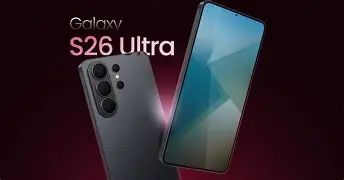
In my experience, both displays are excellent for streaming and reading. The Plus’s screen has vivid colors and enough brightness for outdoor use on most days. The Ultra’s display takes it a notch further: slightly higher peak brightness in direct sun and a touch better contrast in very high dynamic range content. I noticed the difference most when viewing HDR videos or photos with deep shadows and bright highlights — subtle, but noticeable if you care about image fidelity.
One practical difference I noticed is with typing and multitasking: the Ultra’s larger display gives more room for split-screen apps and larger on-screen keyboards, which I appreciated when typing long emails. However, this advantage comes at the cost of increased weight and occasional difficulty reaching the upper-left of the screen for one-handed operation.
Camera: Daylight, low light, and zoom performance
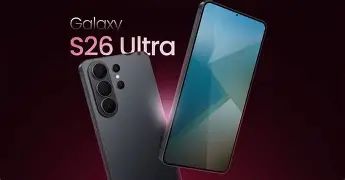
Camera experience is where the Ultra shows its clear advantage, but the Plus impressed me more than I expected. During daytime shoots I found both phones produce sharp, well-exposed images with pleasing color science. The Plus handled skin tones and landscapes very well, and its ultrawide lens is good for everyday group shots and scenic images.
Where they diverge is zoom and extreme low-light photography. I used the Ultra when I wanted to photograph distant subjects — buildings across the river, performers on a stage — and the Ultra’s telephoto capabilities yielded details that the Plus couldn't match. I was surprised by how often that extra reach actually proved useful: at concerts, on walks where I wanted closer framing without moving, and when trying to capture architectural details across a street.
Find top-rated Mobile Phones products at great prices.
See Deals →In low light, the Ultra’s larger imaging system and processing produced cleaner images with better dynamic range. The Plus does a reasonable job at night, but I noticed more noise and less detail in deep shadows, especially when pushing digital zoom. One thing that bothered me with both phones was that the night mode sometimes raises exposure at the expense of subtle highlight detail — something I could dial back in the pro mode but which the average user might miss.
Performance and thermals: Daily snappiness and sustained loads
Both phones are very snappy for everyday tasks: app launches, swiping between screens, and multitasking were smooth. I did notice the Ultra handles sustained heavy workloads (long gaming sessions, extended video exports) with a bit more thermal headroom. The Plus starts to warm sooner under prolonged load and then throttles earlier; for casual gaming and typical usage this didn’t impact me, but if you run demanding apps often, the Ultra kept performance steadier over time.
In terms of real-world responsiveness — scrolling through social feeds, switching between heavy apps, or compiling notes — I didn’t feel a meaningful difference for typical use. Both devices felt future-proofed for the kinds of apps I rely on today.
Battery life & charging: How long they last in a day
I found the Plus is a very capable all-day phone for me. With a full day of mixed use (navigation, email, social apps, messaging, an hour of streaming), I consistently made it to bedtime with moderate battery left. The Ultra, with its larger battery, stretched further and gave me an extra few hours under the same usage pattern — which turned out to be handy on travel days when I had less access to chargers.
Both phones charged at similar speeds with the wired and wireless chargers I used. I was disappointed that neither revolutionized charging times compared to my previous phones; you’ll still want to plan for a decent topping-up session when you have the time. The Ultra’s larger battery meant I could skip a midday charge more easily.
Software, ecosystem, and daily features
In my experience, Samsung’s software continues to be one of the most feature-rich Android experiences. The Plus and Ultra both run the same core interface and features, including multi-window, device continuity, and a rich camera app with pro controls. The Ultra’s unique software advantage is the deeper integration with the S Pen (if you use the S Pen), which makes note-taking and quick sketches feel fluid and natural. I used the S Pen for signing documents and jotting ideas, and it genuinely changed some of my workflows — I could pluck a paragraph from an article and annotate it quickly before sending it on.
One software annoyance I noticed on both phones: system updates sometimes introduced subtle UI changes that required readjusting gestures. Nothing major, but it’s worth noting if you prefer a stable interface over frequent new features. Also, some bundled apps felt redundant to me; I uninstalled or disabled a few and noticed improved storage availability.
Looking for the best Mobile Phones deals on Amazon?
See Deals →Durability, audio, and extras
Both phones felt durable in daily use. I usually keep them in thin cases and I appreciated the IP rating and scratch-resistant front glass. Speakers were loud and clear enough for video calls and watching clips; the Ultra’s stereo presentation felt slightly fuller in the mids, which mattered when I used it for podcasts and music in small rooms.
One thing I appreciated on the Plus: its slimmer profile made using straps and mounts easier on my bike trips. One thing that bothered me on the Ultra was that pocket fit was more of a challenge — I had to be mindful of sitting down with it in my back pocket.
Comparison table
| Category | Galaxy S26 Plus | Galaxy S26 Ultra |
|---|---|---|
| Design & Ergonomics | Handier for one-handed use, lighter, slimmer | More premium feel, heavier, larger footprint |
| Display | Bright, vivid, excellent for media | Brighter peak, larger canvas, better for HDR |
| Camera | Excellent primary and ultrawide for everyday shots | Superior telephoto/zoom and better low-light captures |
| Battery | Solid all-day endurance for most users | Longer endurance; better for travel or heavy use |
| Performance | Very snappy for daily tasks; warms under heavy sustained load | Handles sustained heavy workloads more comfortably |
| S Pen & Productivity | No integrated stylus; pens work externally | Integrated S Pen support; better for note-taking |
| Price Tier | More affordable relative to Ultra | Premium price, aimed at power users |
| Best For | Everyday users who want flagship performance without bulk | Power users who prioritize camera, S Pen, and endurance |
Pros & Cons
Galaxy S26 Plus — Pros
- Comfortable in the hand: I noticed less fatigue after long reading sessions or one-handed texting.
- Great everyday camera: Primary and ultrawide lenses produced usable photos for social sharing and prints.
- Balanced battery life: I consistently made it through a long day without panic charging.
- Value proposition: You get most flagship features without the Ultra’s extra cost and size penalties.
Galaxy S26 Plus — Cons
- Less zoom reach: I missed the Ultra when I wanted to photograph distant subjects.
- Warms under load: During extended gaming or exporting, it throttled sooner than the Ultra.
- No integrated stylus: If you rely on handwriting or annotation, you'll miss the S Pen workflow.
Galaxy S26 Ultra — Pros
- Outstanding zoom and low-light camera performance: I could capture far-away details and cleaner night shots.
- Integrated S Pen: Made note-taking and quick edits feel natural — I used it for signing and annotating PDFs regularly.
- Longer battery life: On travel days I felt confident I wouldn’t run out before finding a charger.
- Large, premium display: Great for productivity, split-screen work, and HDR media.
Galaxy S26 Ultra — Cons
- Size and weight: The Ultra is bulky; pocket comfort and one-handed use suffer.
- Price: It’s expensive; you’re paying a premium primarily for camera and productivity features.
- Learning curve with the S Pen: I had to change some of my workflows to use it effectively; not all users will bother.
Buying guide: Which should you pick?
After several months with both phones, here's how I recommend choosing based on what matters most to you:
If you prioritize portability and comfort
- Choose the S26 Plus. I noticed it fit my hands and pockets better. If you often use your phone one-handed for reading, texting, or quick navigation, the Plus is the more comfortable daily companion.
If camera versatility and remote shooting matter
- Choose the S26 Ultra. I used the Ultra for distant shots at events and found that the extra zoom and low-light handling made a practical difference. If you often photograph concerts, architecture, or wildlife, the Ultra will deliver clearer, more detailed results.
If you need better battery life for travel or heavy use
- Choose the S26 Ultra. During my long travel days, the Ultra’s endurance gave me more freedom to rely on the phone as my primary camera and navigation device without searching for a charger.
If you want productivity features like note-taking
- Choose the S26 Ultra for the S Pen. I used the stylus for quick edits, annotations, and jotting meeting notes. If that sounds appealing, the Ultra is worth the premium.
Other practical tips I learned
- Try both in person if you can. The Ultra’s size can be surprisingly polarizing — a hands-on feel will tell you if you can live with it.
- Think about case and accessory costs. The Ultra often needs a sturdier case to prevent slipping because of its size and weight.
- Match storage to your habits. If you shoot a lot of high-resolution images and video, consider the higher storage tiers — I reached for more internal space sooner than I expected when I was doing extended photo shoots.
- Consider future resale. In my experience, Ultra models tend to hold resale value slightly better due to their top-tier features, but you pay more up front.
Real-world scenarios where one beats the other
Here are a few practical examples from my life where I preferred one device:
- City walking tours: I usually grabbed the Plus. It’s lighter and easier to use while keeping a hand on a stroller or coffee cup.
- Weekend photography outings: I brought the Ultra when I planned to take a lot of photos, especially where zoom mattered (street murals across squares, distant landmarks).
- Work trips: The Ultra was my travel companion for maps, documents, and quick sketches with the S Pen.
- Daily commute: The Plus often won — I liked that it fit my jacket pocket and didn’t feel like carrying extra weight on public transit.
Conclusion
In my experience after months of use, the Galaxy S26 Plus is the balance of flagship power and everyday comfort — it’s the phone I’d recommend if you want a premium experience without dealing with bulk. The Galaxy S26 Ultra is the device to choose if you want best-in-class camera flexibility, better battery endurance, and the S Pen productivity enhancements — but you accept a larger device and a higher price.
Ultimately, the choice comes down to what you use your phone for most. If you value portability and a solid all-rounder, the Plus will serve you very well. If you’re a power user who frequently shoots distant subjects, annotates documents, or relies on longer battery life for travel, the Ultra is worth the extra investment. I’ve enjoyed having both around — and honestly, when I can only carry one, it comes down to whether I plan to take photos or take notes that day.